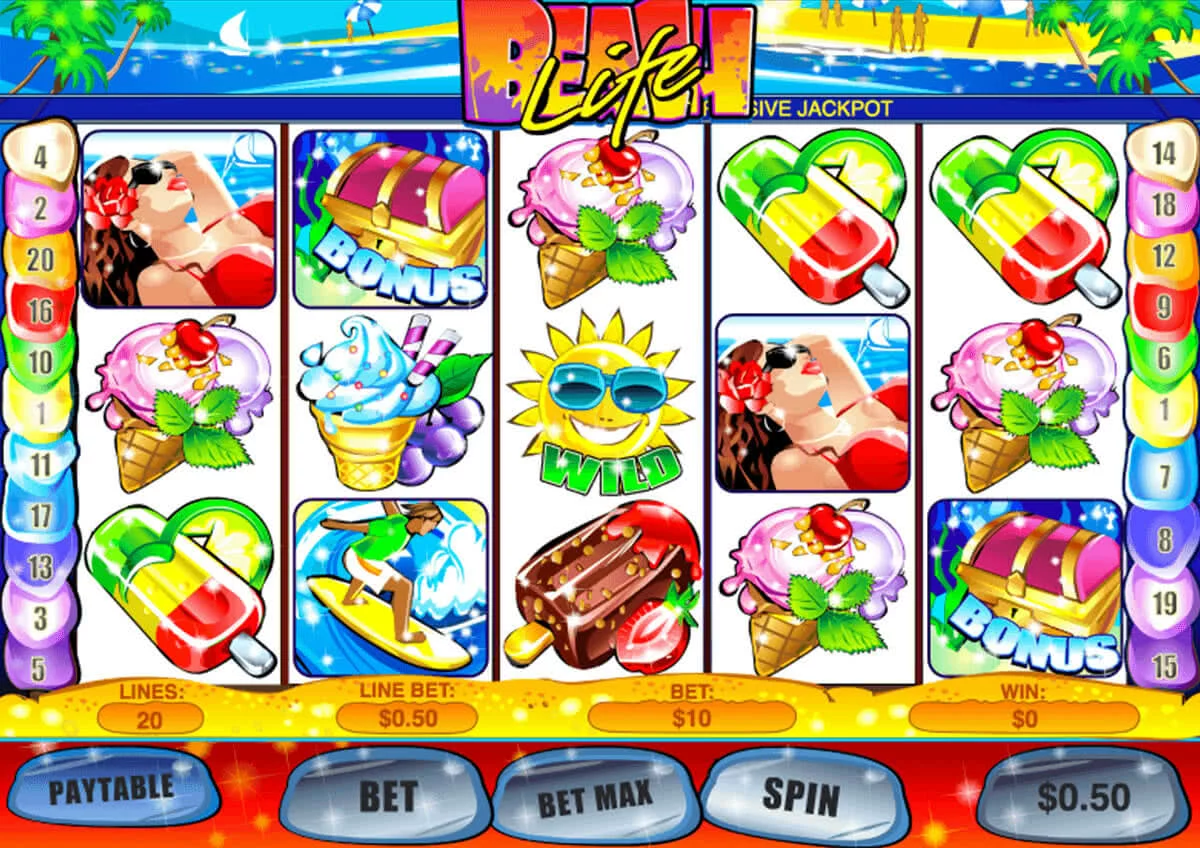

Casino slot machines, often referred to simply as “slots,” are among the most popular forms of gambling in casinos worldwide. Their appeal lies in their simplicity, colorful graphics, and the potential for pirots 3 demo large payouts. This report delves into the inner workings of these machines, exploring their mechanics, random number generation, and payout structures.
At the core of every slot machine is a Random Number Generator (RNG). This software algorithm is responsible for producing a sequence of numbers that correspond to the symbols on the machine’s reels. The RNG operates continuously, generating thousands of numbers per second, even when the machine is not in use. When a player pulls the lever or presses the spin button, the RNG determines the outcome of that spin by selecting a specific number from its ongoing sequence. This ensures that each spin is independent and random, providing a fair chance to win.
Modern slot machines typically feature multiple reels, usually three or five, which display various symbols. When the RNG selects a number, it corresponds to a specific position on each reel. The combination of symbols that appears when the reels stop spinning determines whether the player wins and how much they win. With the introduction of video slots, the traditional mechanical reels have largely been replaced by digital screens that replicate the appearance and functionality of physical reels.
Another critical aspect of slot machines is their payline structure. A payline is a line on which a payout will be awarded based on winning combinations of symbols. Traditional machines often have a single payline, while modern video slots can feature multiple paylines, sometimes exceeding 100. Players can choose to bet on one or more paylines, increasing their chances of winning but also their overall wager. The more paylines a player activates, the higher the cost per spin, but it can also lead to greater potential rewards.
Slot machines are programmed with a specific Return to Player (RTP) percentage, which indicates the average amount of wagered money that the machine will return to players over time. For example, a slot machine with an RTP of 95% will, on average, return $95 for every $100 wagered. However, this figure is calculated over a large number of spins and does not guarantee individual outcomes in the short term. The house edge is the difference between 100% and the RTP, which represents the casino’s profit margin.
Bonus features and progressive jackpots are additional elements that enhance the excitement of slot machines. Bonus features may include free spins, multipliers, or interactive mini-games triggered by specific symbol combinations. Progressive jackpots are linked across multiple machines, allowing the jackpot to grow until a player hits the winning combination, potentially resulting in life-changing payouts.
In conclusion, casino slot machines operate through a combination of sophisticated technology and game design. The RNG ensures fair and random outcomes, while the payline structure and RTP determine the potential for winning. With their engaging features and the thrill of unpredictability, slot machines continue to captivate players, making them a staple of the casino experience. Understanding how they work can enhance the enjoyment and strategic approach to playing these popular games.